The experience needs to prove an interaction concept
Prototype the core VR or MR interaction before building the surrounding product or content.
XR / Interactive
Prototype and develop VR, MR and realtime 3D experiences where interaction, comfort, performance and deployment constraints matter as much as the visual result.
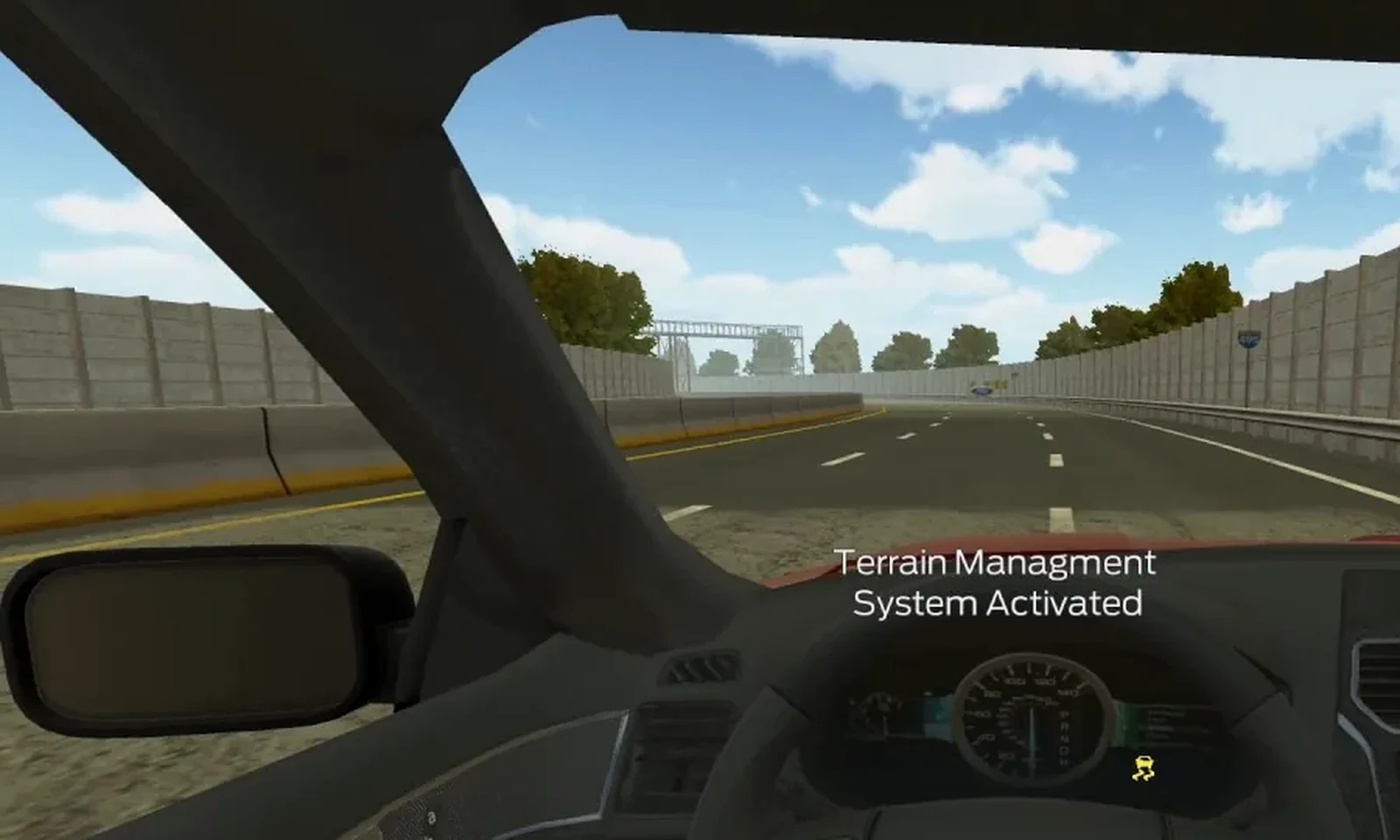
Official 4Experience project context for the documented level-design and optimization contribution on constrained mobile VR hardware.
Official 4Experience sourceProblems we solve
XR work needs to be designed around the user, target device, tracking method and frame budget from the first prototype.
Prototype the core VR or MR interaction before building the surrounding product or content.
Design visual systems and content around the performance limits of devices such as Meta Quest.
Explore hand tracking and direct interaction where the use case benefits from natural input.
Build immersive training, simulation, product, presentation or interactive B2B experiences using the same realtime production discipline.
What we deliver
The scope can focus on one interaction, a technical prototype or a broader XR experience.
Focused proofs for interaction, locomotion, spatial UI, hand tracking or immersive mechanics.
Standalone XR implementation designed around device capabilities and performance constraints.
Interactive scenarios, guided workflows and realtime environments for non-game use cases.
Product experiences, presentations and spatial applications where realtime interaction is the core medium.
Technology context
XR implementation can combine engine systems, platform SDKs, tracking, realtime rendering and custom content workflows.
Standalone VR/MR deployment, device capabilities and platform-aware interaction.
XR prototypes, interactive applications, Meta XR workflows and deployment.
High-fidelity realtime environments, interaction systems and XR-ready technical content.
Direct interaction patterns where controller-free input is useful and technically appropriate.
How the work runs
Identify user, hardware, physical context, input method and the action the experience must enable.
Test the riskiest interaction and comfort assumptions on the target class of hardware.
Integrate content, UI, feedback and application logic around the validated interaction model.
Profile on target hardware and prepare the build for the intended distribution or deployment context.
Relevant work
XR work is presented through interaction, target device, constraints and realtime behavior where project material can be published.
At 4Experience, Bartosz Rozmus designed and built the driving-level environment and optimized it for Google Daydream. The page keeps that employer and contribution context explicit.
Read Tri-State Ford VR case studyTechnical guide
The selected Insight connects frame budget, overdraw, CPU/GPU cost and device validation to the experience decisions made for Meta Quest-class hardware.
A production-oriented guide to profiling and validating immersive performance on standalone hardware.
Read the XR performance guideRelated services
Performance profiling and content decisions for strict immersive frame budgets.
Explore optimizationInteraction and realtime systems when the experience needs deeper application logic.
Explore game developmentRendering, shaders and content systems supporting the target hardware.
Explore Technical ArtProduction utilities for repeatable content and application workflows.
Explore toolsHeadset-specific profiling and performance work for immersive frame budgets.
VR OptimizationStandalone Quest VR/MR development, interaction and hand tracking.
Meta Quest DevelopmentFAQ
Yes. Meta Quest and standalone XR are useful target contexts for immersive applications, prototypes and performance-aware realtime work.
Yes when hand tracking fits the interaction and reliability requirements. It should be evaluated against the actual use case rather than treated as a universal replacement.
Yes. Training, simulation, product experiences and interactive presentations are valid XR production targets.
Start a project
Send the target device, audience, interaction idea and what the experience must let the user do.
A short use-case description and target hardware are enough to start defining the first prototype.
Discuss this service